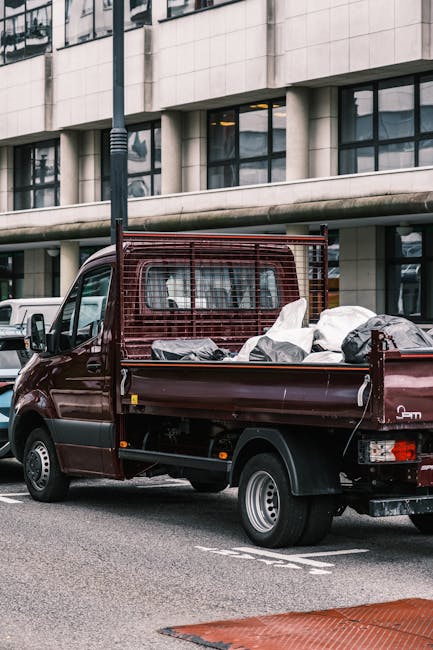
Rubbish removal for Vauxhall Pleasure Gardens flats SW8
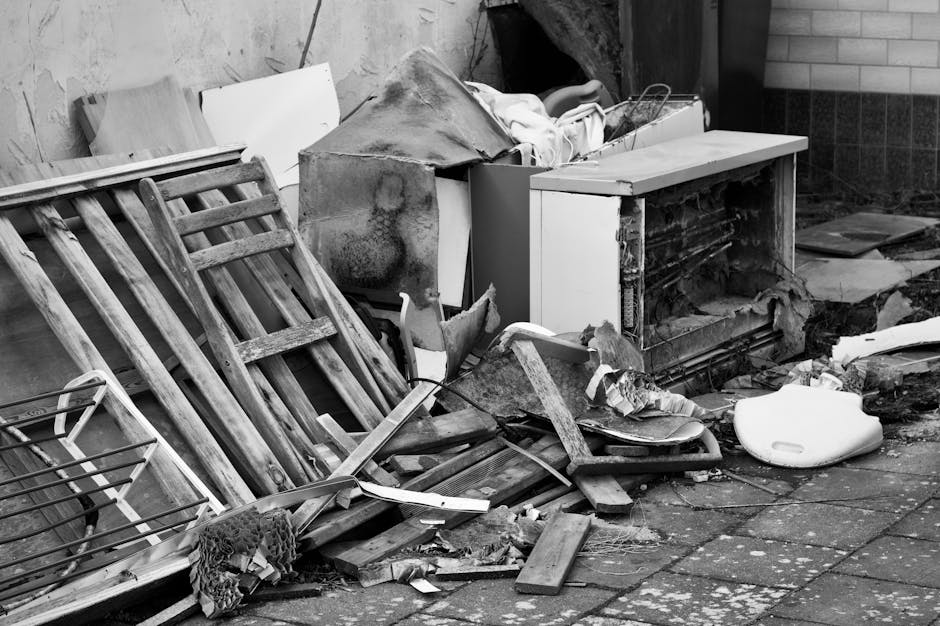
If you live in Vauxhall Pleasure Gardens or manage a flat in SW8, rubbish has a funny way of building up at exactly the wrong time. One old sofa turns into two bags, then a broken shelf, then a pile in the hallway that suddenly feels impossible to shift. Rubbish removal for Vauxhall Pleasure Gardens flats SW8 is really about making that problem disappear quickly, safely, and without turning a tidy flat into a weekend project from hell.
In practice, the right service helps with everyday clear-outs, bulky furniture, post-refurbishment debris, and those awkward items that are too much for normal household bins. It also matters a lot in flats, where access, shared entrances, lift use, noise, and neighbour relations all come into play. This guide explains how the process works, what to expect, where people usually go wrong, and how to choose the most sensible option for your building.
For a broader overview of the service type, you can also explore waste removal and flat clearance, both of which are useful starting points when the job is bigger than a few bin bags.
Why Rubbish removal for Vauxhall Pleasure Gardens flats SW8 Matters
Flats are different from houses. That sounds obvious, but it changes everything. In a block or a modern riverside-style development, rubbish is not just sitting on your own front path waiting to be taken away. It sits in narrow corridors, shared stairwells, communal bin stores, and sometimes on the street while you try to work out how on earth to move it without annoying half the building.
When rubbish piles up in a flat, the real issue is not only mess. It can create blocked access, smells, pest risk, stress, and friction with neighbours or building management. A pile of packaging or a couple of old wardrobes may not look dramatic at first, but by the end of the week it can feel like the flat is shrinking around you. You know the feeling. One extra bag near the door, then another, and suddenly every trip to the kettle is a little obstacle course.
There is also the local reality of SW8: limited parking, busy roads, timed access windows, and the simple fact that not every building is easy to serve with a skip. For many residents, a man-and-van style clearance or a dedicated rubbish collection is more practical than waiting around for a complicated DIY solution. If the job includes heavy items, mixed waste, or several rooms' worth of clutter, a structured service becomes even more useful.
If you are comparing different service types, it can help to understand where furniture-heavy jobs sit. Pages like furniture clearance and mattress and sofa disposal are especially relevant when the problem is bulkier than general rubbish.
How Rubbish removal for Vauxhall Pleasure Gardens flats SW8 Works
Most rubbish removal jobs for flats follow a simple pattern, even if the actual building access is a bit fiddly. First, you explain what needs clearing. That might be a single room, a balcony, a storage cupboard, or a full flat clearance after moving out. Then the service estimates the load based on waste type, volume, and access.
From there, the removal team usually arrives with the right labour and vehicle, loads the waste, and takes it away in one go. In a flat, the loading part matters more than people expect. A five-minute job on paper can become a longer one if there is no lift, if the item is too big for a tight corner, or if parking is a bit awkward. Not a disaster, just reality.
Good services do the small things properly: protecting walls where needed, moving carefully through communal areas, keeping noise down where possible, and separating items that can be reused or recycled. If you have appliances, bulky furniture, or waste that needs special handling, that should be discussed in advance rather than guessed on the day.
For example, a fridge, a sofa, and a pile of packaging are not all the same kind of job. Appliance handling may need a route through the flat that avoids damage. Sofas are awkward, especially in older buildings with tight turns. And mixed rubbish can take longer to sort than a neat pile of cardboard. Truth be told, a lot of the value lies in avoiding the headache of figuring that out yourself.
Key Benefits and Practical Advantages
The biggest benefit is simple: you get the space back. That means a calmer hallway, a usable spare room, or a balcony that is actually a balcony again rather than a storage zone for things you meant to deal with six months ago.
There are other advantages too:
- Faster turnaround: Useful when you are moving, redecorating, or clearing a flat before handover.
- Less stress: No need to find a van, carry heavy items yourself, or negotiate lift-sized furniture through a tight stairwell.
- Cleaner shared spaces: Important in flats, where communal areas should stay tidy and safe.
- Better waste sorting: Professional services are usually better placed to separate recyclable materials from general rubbish.
- Safer lifting: Heavy bags, broken cabinets, and old appliances can be awkward and genuinely risky to move alone.
There is also a social side to it. In a flat development, one person's mess becomes everyone's sightline. A quick, proper clearance helps keep the building pleasant for neighbours, visitors, and management staff. Nobody wants a corridor that smells like damp cardboard and old takeaways. Nobody.
If sustainability matters to you, it is worth looking at a provider's approach to responsible disposal. The page on recycling and sustainability is a sensible place to understand how reusable and recyclable materials may be handled.
Who This Is For and When It Makes Sense
This kind of rubbish removal is useful for a wide range of people in and around Vauxhall Pleasure Gardens. It is not just for dramatic clear-outs. In fact, most jobs are fairly ordinary on the surface: a tenant leaving a flat, a landlord preparing for new occupants, a homeowner clearing a storage area, or a family dealing with an accumulation of mixed household junk.
It makes sense if you are:
- moving out of a flat and need the place cleared quickly
- dealing with unwanted furniture after a delivery replacement
- clearing clutter after a refurb or decorating job
- emptying a flat for letting, sale, or inspection
- tidying a balcony, loft storage area, or internal cupboard space
- replacing appliances or disposing of damaged household items
It also makes sense when DIY disposal would take more time and energy than it is worth. Maybe you could borrow a car, find parking, and spend Saturday making endless trips to a facility somewhere else. Or you could have the lot removed in one visit and get on with your life. That is usually the more realistic choice, especially in busy parts of London.
Landlords and agents often prefer a clear, predictable process too. If a flat needs resetting between tenancies, a professional service can reduce delays and avoid a last-minute scramble. For larger properties or heavier internal clearances, home clearance and house clearance may also be relevant, depending on the scale of the job.
Step-by-Step Guidance
If you want the smoothest possible experience, a little planning goes a long way. Here is a practical way to approach rubbish removal in a flat.
- List everything that needs to go. Separate general rubbish, furniture, appliances, and anything potentially hazardous.
- Take quick photos. This helps with estimating volume and spotting access issues early.
- Check access details. Note lift availability, floor level, parking restrictions, entry codes, and any time windows.
- Ask what is included. Clarify loading, labour, disposal, recycling, and whether heavy items need special handling.
- Move personal items first. Keep passports, paperwork, keys, chargers, and valuables out of the way.
- Confirm the waste type. Mixed rubbish, furniture, appliances, and rubble are often handled differently.
- Prepare a clear route. Open doors where safe, clear hallway pinch points, and protect flooring if needed.
- Do a final walk-through. Before the team leaves, check cupboards, balconies, and behind doors. People always forget one thing. Always.
A good habit is to sort as you go, not after the pile has already spread. If you have old seating, broken tables, or bed frames, group them together. If you have a separate pile of cardboard, keep it dry if possible. Small things like that save time and reduce confusion.
When the job includes large furniture, it is also sensible to read more about furniture disposal and, if needed, fridge and appliance removal. Those items tend to be the ones that create the most access headaches in flats.
Expert Tips for Better Results
After dealing with enough flat clear-outs, a few patterns become very obvious. The smoother jobs are the ones where the resident thinks ahead just a little. Not obsessively. Just enough to avoid the usual traps.
- Measure awkward items before you book. A sofa that looks manageable in the lounge can become a nightmare in a narrow stairwell.
- Keep bin-store rules in mind. Some buildings have strict communal waste arrangements, and it helps to avoid crossing those lines.
- Separate sharp or broken items. Broken glass, metal edges, and damaged frames should be handled carefully and clearly labelled where possible.
- Bundle similar waste together. It speeds up loading and makes it easier to discuss the job accurately.
- Be realistic about timing. If access is complex, a tidy-looking job may still take a bit longer than expected.
Here is a tiny but useful one: keep a torch handy if the flat has dim cupboards, under-stair storage, or a loft hatch. A dark corner is where the one thing you forgot always hides. It is almost a rule.
If your project is part of a broader refresh rather than just a rubbish load, you may also find builders waste clearance useful for plaster, wood, packaging, and renovation debris. It is a different category from normal household junk, and mixing the two without checking first can be messy.
Common Mistakes to Avoid
A lot of problems in flat rubbish removal are avoidable. That is the frustrating bit. They are not unusual, just avoidable.
- Leaving it to the last day. If you are moving out, this is the classic mistake. Suddenly everything is urgent and the lift is booked.
- Assuming all waste is the same. Furniture, appliances, green waste, rubble, and hazardous materials are not interchangeable.
- Forgetting access restrictions. Parking bays, gate codes, loading times, and concierge arrangements matter.
- Not checking what the service accepts. Hazardous items need separate handling. Guessing is a bad plan.
- Blocking communal areas. Even temporarily, this can cause issues with neighbours or building management.
- Skipping a final room check. That tiny shelf in the airing cupboard tends to survive until the very end.
One other thing: do not assume the cheapest quote is automatically the best value. In flat clearances, the real cost is often time, inconvenience, and the risk of a job being delayed because the access details were not properly discussed. Cheap can become expensive very quickly if the team has to come back.
Tools, Resources and Recommendations
You do not need a van load of kit to prepare for rubbish removal, but a few simple tools make the process easier. A marker pen, strong tape, bin bags, a trolley for lighter items, gloves, and a basic torch can go a long way. If you are sorting the flat before a clearance, a few cardboard boxes are useful for keeping documents and personal items separate.
In terms of service resources, the most helpful pages are usually the ones that answer practical questions up front. For example, pricing and quotes is useful when you want a clearer sense of how charges are structured, while book online is helpful if you want to move quickly once the flat is sorted.
If you need a more general view of the company and how it operates, about us can help build trust, and insurance and safety is worth reading if you are concerned about access, lifting, or property protection. Those details matter more in flats than many people realise.
For unusual or sensitive materials, check the specialist pages rather than assuming they can go out with normal rubbish. That is especially true for hazardous waste disposal and confidential shredding. Not glamorous, but very useful if you are clearing a storage cupboard or an old desk drawer full of paperwork.
Law, Compliance, Standards, or Best Practice
When rubbish is removed from a flat, there are a few practical compliance points to keep in mind. The exact duties can vary depending on the waste type, the building rules, and who owns or manages the property, so it is sensible to stay cautious rather than overstate anything.
In general, responsible waste handling in the UK means using a service that treats waste legally, avoids fly-tipping, and deals properly with materials that need special handling. If you are a landlord, letting agent, or business occupier, your responsibilities may be more formal than a private resident's. Even for a standard household clear-out, it is wise to keep receipts, note what was removed, and confirm that the waste is going to an appropriate disposal route.
Best practice in a flat includes:
- not leaving rubbish in communal areas longer than necessary
- checking building management requirements before removal day
- separating potentially hazardous items from general waste
- keeping personal data secure before any clearance involving papers or electronics
- choosing a service that can explain how it handles recycling and disposal
For households and small businesses alike, a decent provider should be able to talk plainly about safety, loading, and disposal standards without making things sound more complicated than they are. That plain-English approach is a good sign. It usually means they understand the job.
Options, Methods, and Comparison Table
There are a few common ways to deal with rubbish in Vauxhall Pleasure Gardens flats. Which one suits you depends on the type of waste, how much there is, and how much time you want to spend on it.
| Method | Best for | Pros | Trade-offs |
|---|---|---|---|
| DIY trips in a car or van | Very small loads | Can be cheaper if you already have transport | Time-consuming, parking issues, lifting risk, multiple journeys |
| Skip hire | Larger, mixed loads with space for a skip | Useful for longer clear-outs | Not always practical for flats, permit and placement issues may apply |
| Dedicated rubbish removal | Flat clearances, bulky items, awkward access | Fast, labour included, less hassle | Cost depends on volume and access |
| Specialist item disposal | Mattresses, sofas, appliances, hazardous items | Better handling for tricky waste streams | May need separate arrangements for certain items |
If you are unsure, compare the total effort rather than just the headline price. A skip may look straightforward, but if your building has access limitations, it may not be the easiest route. A dedicated clearance service is often simpler for flats because the lifting is built into the job.
For more context on skips and what can be loaded safely, the page on what can go in a skip is helpful, especially if you are weighing up whether a skip or a direct collection is the better fit.
Case Study or Real-World Example
Picture a fairly typical flat in SW8. Two rooms of clutter, an old sofa, a broken desk, a mattress, several bags of mixed rubbish, and a couple of small appliances that no longer work. Nothing dramatic. Just enough to feel overwhelming once you start looking at it properly.
The resident had been meaning to clear the place for weeks. First it was work. Then the weather. Then that awkward thought of, "I'll do it this weekend." By Friday evening the flat had one corridor chair that nobody could sit on and a hallway that seemed to collect every bag in the postcode.
Once the job was broken into categories, it became manageable. Furniture went in one group, general waste in another, appliances were identified separately, and the access details were checked before arrival. The final step was simple: protect the route, load carefully, and clear the flat in one visit. The result was not just a cleaner room. It was relief, plain and simple. The space felt bigger. Quieter, somehow.
That is what people often underestimate. Rubbish removal is not only about throwing things away. It is about resetting a space so it works again.
Practical Checklist
Before booking rubbish removal for a flat in Vauxhall Pleasure Gardens SW8, run through this checklist.
- Have you listed every item that needs removing?
- Are any items bulky, heavy, sharp, or fragile?
- Do you know whether the building has lift, stair, or parking restrictions?
- Have you separated hazardous items from general rubbish?
- Have you removed personal valuables and important documents?
- Is there a clear route from the flat to the exit?
- Have you checked whether furniture or appliances need separate handling?
- Do you know what the price is likely to cover?
- Have you reviewed recycling or reuse considerations?
- Is there a final walk-through planned before the team leaves?
That last one sounds small, but it saves stress. Every single time.
Conclusion
Rubbish removal for Vauxhall Pleasure Gardens flats SW8 is about more than getting rid of clutter. It is about making flat living easier, protecting shared spaces, and dealing with waste in a way that is practical, tidy, and respectful of the building around you. Whether you are moving out, refreshing a room, or clearing bulky items that have overstayed their welcome, the right approach saves time and a lot of hassle.
The best results usually come from a simple formula: be clear about the waste, understand the access, choose the right method, and keep disposal responsible. Nothing flashy. Just solid, sensible planning. And honestly, that is often all you need.
Get a free quote today and see how much you can save.
If you are comparing providers and want to better understand the company behind the service, it can also be useful to read terms and conditions and payment and security so you know what to expect before the job begins.
Frequently Asked Questions
What types of rubbish can be removed from flats in Vauxhall Pleasure Gardens SW8?
Most everyday household rubbish can be removed, along with furniture, mattresses, some appliances, packaging, and general clutter. If you have anything hazardous or unusual, check first so it is handled properly.
Is rubbish removal better than skip hire for a flat?
Often, yes. Flats can make skip hire awkward because of access, placement, and permit considerations. A direct removal service is usually easier when lifting, loading, and transport are all included.
How do I prepare for rubbish removal in a flat?
Make a list of items, clear personal belongings, check building access, and separate anything special such as appliances or hazardous waste. A few photos help too.
Can old sofas and mattresses be taken away?
Yes, these are common items for flat clearances. They can be bulky and awkward, so it helps to mention them in advance, especially if the route out of the building is tight.
What if my building has no lift?
That is very common in London and usually manageable. Just be upfront about the floor level and stair access so the job can be planned correctly.
Do I need to sort the rubbish before collection?
Not always, but sorting similar items together makes the process faster and clearer. It also helps if you have mixed waste, furniture, and appliances in the same flat.
What happens to the waste after it is collected?
That depends on the item type and the service used. Good practice is to recycle or separate what can be handled responsibly, with general rubbish sent through the appropriate disposal route.
How much does rubbish removal for a flat usually cost?
Pricing usually depends on volume, weight, access, and waste type. A small load in an easy-access flat will cost less than a full clearance with heavy furniture and stairs.
Can I book rubbish removal for the same day?
Sometimes, yes, depending on availability. Same-day collection is more likely when access details are clear and the waste is straightforward.
Is there anything I should not put out for general rubbish removal?
Hazardous materials, confidential paperwork, and certain specialist items should be separated and discussed in advance. It is better to ask than to assume.
Will the removal team take items from inside the flat?
Usually they will, and that is one of the main benefits of using a proper clearance service. Still, it is sensible to confirm the exact level of labour included before booking.
How can I make the process less stressful?
Start with the biggest items, be honest about access, and do one final check of every room before collection day. Small preparation steps make a surprisingly big difference, and they really do.